
In 2025, mid-sized enterprises face challenges that look a lot like those of large corporations. Customers expect more, regulations are stricter, and competition is tougher. Running a business with outdated management systems or spreadsheets is no longer enough.
That’s why more companies are turning to cloud ERP systems. Once seen as tools only for big enterprises, enterprise resource planning ERP is now flexible and affordable for ERP for mid-sized businesses. With lower upfront costs, scalable pricing, and user-friendly interfaces, cloud-based ERP systems have become a must-have.
The Bottom Line: Why ERP Modernization Matters
Old resource planning ERP systems slow businesses down. They are expensive to maintain and hard to scale. ERP modernization changes this picture by:
- Reducing operational costs through automation.
- Centralizing data collected across all business units.
- Helping leaders make informed decisions with real-time updates.
- Supporting compliance and reducing risk.
- Offering user-friendly interfaces that improve user experiences.
In the long run, modernization aligns with your business strategy and creates a path for continuous improvement.
Benefits of Cloud ERP Systems for Mid-Sized Enterprises
1. Lower Upfront Costs
Legacy systems require large initial investments. Cloud-based systems are different. With ERP subscription pricing or pay-as-you-grow ERP, you only pay for what you need. This boosts ERP ROI and frees resources for other products and services.
2. Scalable Business Model
Cloud ERP systems grow with you. With modular ERP deployment, you can start small and expand. This flexibility ensures ERP fits your business requirements rather than forcing a rigid process.
3. Real-Time Data Visibility
ERP platforms collect and share data instantly. With advanced analytics and predictive analytics, leaders and decision makers have access to real-time insights. This supports faster, smarter choices.
4. Better User Experiences
Modern systems prioritize user interfaces and mobile apps. Teams can easily create purchase orders, manage customer relationship management CRM, or view performance dashboards. A user-friendly interface ensures adoption and increases productivity.
5. Operational Efficiency and Cost Savings
By consolidating tools into one platform, businesses achieve cost savings, reduced operational costs, and stronger competitive advantages.
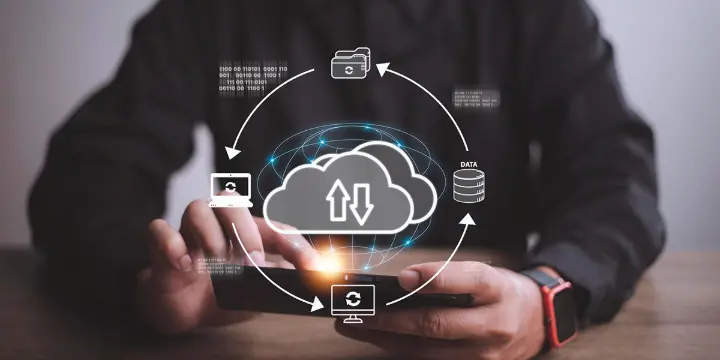
Legacy ERP vs. Cloud ERP
The difference between traditional and modern ERP is clear.
Legacy ERP Systems
- High upfront cost for hardware and licenses.
- Long, complex ERP implementation timelines.
- Limited remote access.
- Manual updates that cause downtime.
- Hard to connect with CRM or other software solutions.
Cloud ERP Systems
- Flexible subscription pricing with scalable growth.
- Fast deployment supported by smooth data migration.
- Accessible anywhere with mobile apps.
- Automatic updates for continuous improvement.
- Built-in advanced analytics, AI, and CRM integration.
In other words, cloud-based ERP systems deliver the agility needed for today’s business strategy and the real world.
Cloud ERP Trends Defining 2025
The ERP landscape in 2025 is shaped by innovation.
- Artificial Intelligence (AI): Improves planning with AI-powered forecasting.
- Predictive Analytics: Turns the data collected into accurate forecasts.
- Automation in ERP: Cuts manual work and helps increase productivity.
- CRM Integration: Connects sales and service teams with customer relationship management CRM.
- Mobile Apps: Give employees access anywhere, improving user experiences.
- Continuous Improvement: Cloud updates keep systems modern without extra effort.
These trends are enabling businesses to operate smarter and compete at higher levels.
Real-World Examples of ERP in Action
Manufacturing Example
A mid-sized manufacturer relied on multiple disconnected systems. After adopting a cloud ERP system, they:
- Automated purchase orders.
- Used predictive analytics to improve demand planning.
- Integrated ERP with CRM for better customer insights.
- Cut operational costs by 20%.
Retail Example
A retailer with several business units moved to cloud ERP. Store managers used mobile apps to track sales. Finance teams applied advanced analytics to control costs. The result was higher margins and faster growth.
The Role of AI and Advanced Analytics in ERP
Artificial intelligence AI and advanced analytics are transforming ERP in 2025. They are not add-ons they are built into modern cloud ERP systems.
- AI-powered forecasting predicts demand more accurately.
- Predictive analytics helps companies spot risks early.
- Data-driven decisions replace guesswork with facts.
- Finance teams use AI to speed up reporting and reduce errors.
- Sales teams integrate ERP with CRM to anticipate customer needs.
These features give mid-sized enterprises clear competitive advantages. Instead of reacting, they plan ahead and act with confidence.
How Cloud ERP Supports Every Business Unit
One strength of cloud ERP is its ability to support every part of a company.
Finance Teams
- Gain instant insight into budgets and cash flow.
- Automate reporting for cost savings and compliance.
- Use predictive analytics for better planning.
Operations Teams
- Automate supply chain tasks like purchase orders.
- Improve processes with continuous improvement tracking.
- Reduce delays and increase productivity.
Sales and Service
- Integrate with customer relationship management CRM.
- Deliver faster responses with accurate data.
- Use mobile apps to stay connected with customers.
Human Resources
- Manage hiring and payroll in one system.
- Provide staff with a user-friendly interface for updates.
- Support the company’s business strategy with clear workforce insights.
This integration creates a stronger foundation for long-term success.
Steps to a Successful ERP Implementation
Moving to cloud ERP systems is easier when companies follow the right steps.
1. Define Business Requirements
Start by mapping your goals and needs. This ensures ERP supports your business strategy.
2. Plan Data Migration
Move the data collected from old systems into the new one carefully to reduce errors.
3. Choose the Right Partner
Work with experienced providers like Odwave consultants to guide your ERP implementation.
4. Focus on User Training
A user-friendly interface helps, but training improves adoption across business units.
5. Measure ERP ROI
Track cost savings, efficiency gains, and informed decision-making to prove value.
Following these steps reduces risks and maximizes success.
The Long-Run Value of Cloud ERP
Investing in cloud ERP in 2025 is about more than short-term gains. The real benefits appear in the long run.
- Continuous Improvement: Updates keep systems modern without extra costs.
- Cost Savings: Lower operational costs and higher efficiency build long-term value.
- Competitive Advantages: Businesses that modernize stay ahead of slower competitors.
- Better Business Models: Cloud ERP supports growth, mergers, and new products and services.
- Informed Decisions: Leaders gain insights that guide smarter investments.
Over time, cloud-based ERP systems become the backbone of success.
Key Takeaways for Decision Makers
- Cloud ERP in 2025 is scalable, secure, and affordable.
- ERP for growth supports expansion without large investments.
- ERP implementation is faster and less disruptive in the cloud.
- Data migration tools make transitions smoother.
- Companies that modernize gain lasting competitive advantages.
Why Choose Odwave as Your Cloud ERP Partner?
At Odwave, we know ERP is more than software. It’s about improving user experiences, aligning with your business strategy, and supporting continuous improvement.
What We Deliver
- Tailored ERP Implementation designed for your needs.
- Scalable Solutions like pay-as-you-grow ERP and modular ERP deployment.
- Future-Ready Features including artificial intelligence AI and predictive analytics.
- User-Friendly Interfaces and mobile apps that drive adoption.
- Proven Expertise in Odwave ERP and Odwave Odoo implementation.
Our Odwave consultants help with everything from planning to data migration. We ensure you see clear value and improved ERP ROI.
Ready to Transform with Cloud ERP in 2025?
The future of enterprise resource planning ERP is cloud-based. Companies that act now gain competitive advantages, reduce operational costs, and prepare for growth in the long run.
Contact Odwave today to see how we can help your business modernize with cloud ERP systems, increase productivity, and make smarter, data-driven decisions.
Resource:
Why AI-Powered ERP Is the Future of Business Operations