
Cloud ERP migration has become one of the most important priorities for businesses modernizing their systems in 2026. Companies are moving away from outdated, on-premise platforms because they need better flexibility, stronger integration, improved visibility, and systems that can support future growth. Current ERP trend research also shows that cloud ERP is becoming a central part of modern ERP strategy because it supports scalability, easier access, and business-wide connectivity.
But for many mid-sized businesses, migration still feels risky. Leaders worry about downtime, data loss, operational disruption, team resistance, and unexpected costs. These concerns are valid but with the right planning, the right ERP Implementation Services, and reliable ERP Support Services after go-live, cloud ERP migration can be managed in a structured and practical way.
Why Businesses Are Moving to Cloud ERP
Legacy ERP systems often create limitations as businesses grow. They may require heavy maintenance, depend on manual updates, or struggle to connect with newer tools used by finance, operations, sales, and customer teams.
Cloud ERP helps businesses move toward a more flexible operating model by supporting:
- Easier access across teams and locations
- Better integration with business applications
- Faster system updates and improvements
- More scalable infrastructure
- Stronger visibility across departments
For growing companies, cloud ERP is not just a technology upgrade. It is a way to build a more connected and responsive business environment.
The Real Challenge Is Not Migration It Is Disruption
The biggest concern during ERP migration is rarely the system itself. The real concern is what happens to the business while the system is changing.
Mid-sized businesses often operate with lean teams, active customer demands, and limited room for downtime. Research on mid-market technology adoption shows that many finance leaders fear implementation because of possible cost, disruption, lack of digital skills, and pressure on day-to-day responsibilities.
This is why cloud ERP migration must be treated as a business project—not only a technical project.
A successful migration should protect daily operations while improving the systems behind them.
Start with a Clear Migration Roadmap
Before moving to cloud ERP, businesses need a clear roadmap. This roadmap should define what needs to move, when it should move, who is responsible, and how the business will continue operating during the transition.
A practical migration roadmap includes:
- Current system review
- Process and workflow assessment
- Data migration planning
- Integration requirements
- User roles and permissions
- Testing timelines
- Go-live preparation
- Post-launch support planning
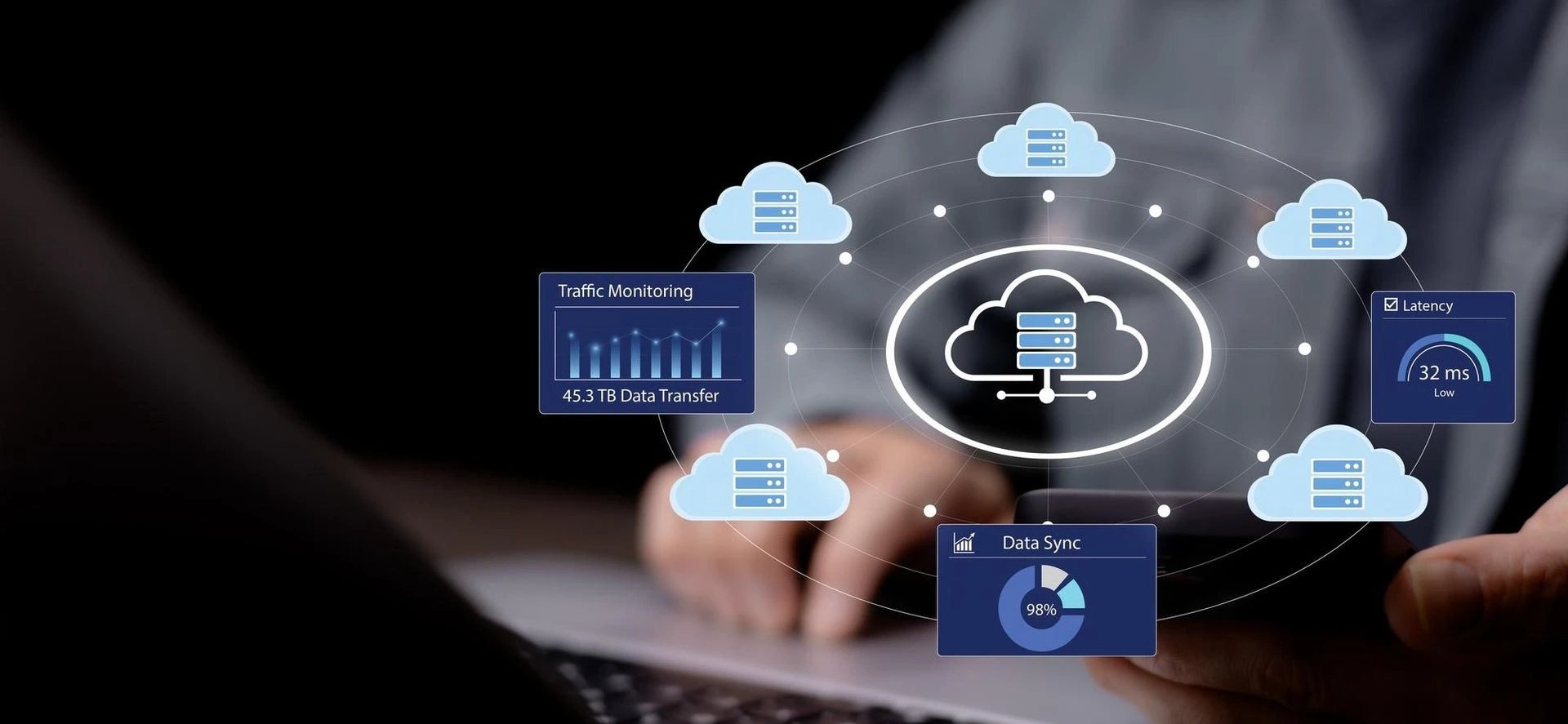
This is where ERP Implementation Services become critical. They help businesses move from uncertainty to a structured execution plan.
How ERP Implementation Services Reduce Migration Risk
ERP Implementation Services guide the business through the complete migration process. Instead of rushing into configuration, a strong implementation approach starts with understanding how the business operates today and what must improve in the new cloud ERP environment.
Effective ERP Implementation Services support:
- Process mapping before system setup
- Cloud ERP configuration based on business needs
- Data migration and validation
- Workflow testing before go-live
- User training and adoption planning
- Integration with finance, operations, sales, and reporting tools
The goal is not simply to move data from one system to another. The goal is to make sure the new ERP environment supports real business execution from day one.
Data Migration Needs Extra Attention
Data is one of the most sensitive parts of cloud ERP migration. Customer records, vendor details, product information, financial history, inventory data, and transaction records must be cleaned, mapped, and validated carefully.
Poor data migration can lead to reporting errors, duplicate records, workflow issues, and low user confidence.
To avoid this, businesses should review:
- Which data needs to be migrated
- Which outdated records should be removed
- How data will be structured in the new ERP
- What reports depend on historical data
- Who will validate information before go-live

Cloud migration also brings important considerations around data protection, security, and system transition terms, especially when moving away from on-premise ERP systems.
Go-Live Is Not the Finish Line
One of the most common ERP mistakes is treating go-live as the end of the project. In reality, go-live is only the beginning of system adoption.
After launch, users may need help adjusting to new workflows, reports may need refinement, and teams may discover small process gaps once the system is being used in real time.
This is where ERP Support Services become essential.
Why ERP Support Services Matter After Migration
ERP Support Services help businesses stabilize and improve the system after go-live. They ensure the ERP does not simply launch but continues to work properly as teams begin using it every day.
ERP Support Services may include:
- User support and troubleshooting
- Workflow adjustments
- Report improvements
- System performance monitoring
- Additional training for teams
- Integration support
- Ongoing optimization
Post-implementation support is especially important for mid-market teams because training, patience, and troubleshooting after launch can help reduce stress and improve confidence in the new system.
Cloud ERP Migration Should Be Incremental, Not Overwhelming
A successful migration does not always require changing everything at once. For many businesses, a phased approach works better.
This may mean starting with finance, then expanding into operations, inventory, sales, or customer management. A phased approach helps teams adjust gradually while reducing operational risk.
This approach also supports better cost control because businesses can prioritize the areas that need immediate improvement first.
Odwave’s Approach to Cloud ERP Migration
At Odwave ERP Solutions, we help businesses move to cloud ERP with clarity, structure, and long-term support. Our approach is designed for businesses that want modernization without unnecessary disruption.
We support cloud ERP migration through:
- ERP consulting and migration planning
- ERP Implementation Services
- Data migration and validation
- Workflow configuration
- System integration
- User training and go-live preparation
- ERP Support Services after launch
- Ongoing optimization as the business grows
Our focus is simple: help businesses move from outdated systems to a more connected, scalable, and reliable ERP environment.
Final Thoughts
Cloud ERP migration in 2026 is not just about replacing old software. It is about creating a stronger foundation for the way a business operates, reports, collaborates, and grows.
With the right roadmap, ERP Implementation Services, and ERP Support Services, businesses can move to cloud ERP without losing control of daily operations.
The future belongs to businesses that modernize with planning not pressure.
Visit www.odwave.com to learn how Odwave ERP Solutions helps businesses plan, implement, and support cloud ERP migration with confidence.